
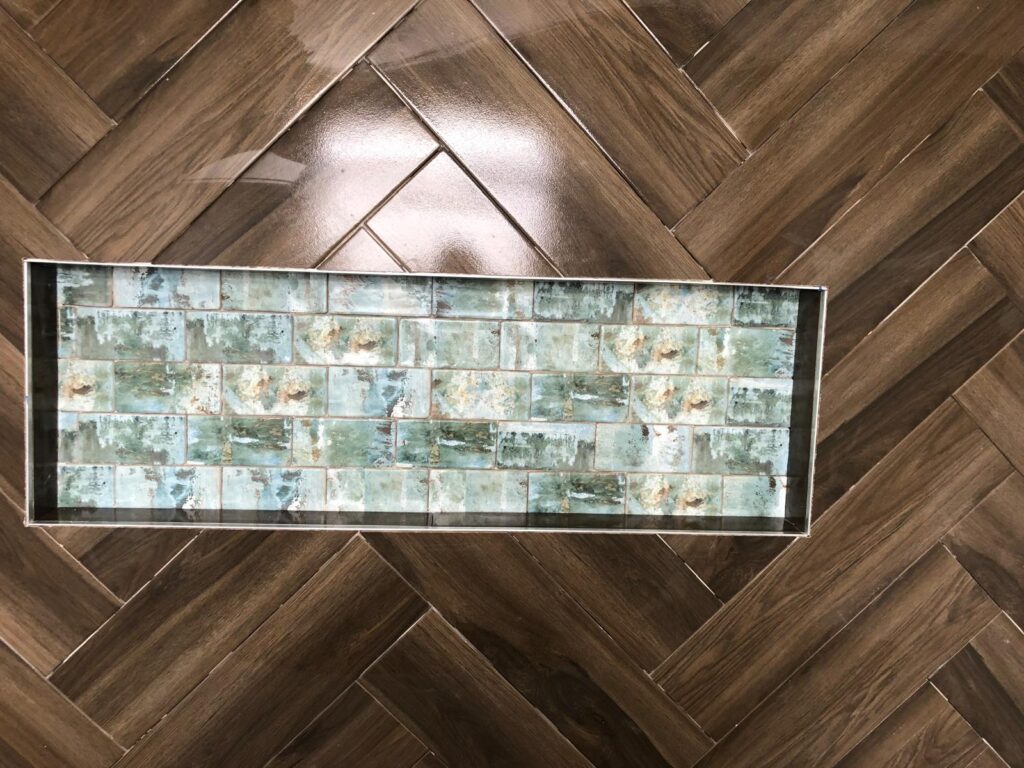
Over time, the silicone around your shower can become mouldy, cracked, or loose, allowing water to seep through and cause damage. Learning how to re silicone shower areas properly can help maintain your bathroom’s hygiene and prevent expensive water damage.
At First Quality Tiling, your trusted tiling specialists in Burton, Adelaide, we’ve helped hundreds of homeowners restore their bathrooms with professional re-siliconing and waterproofing services. In this guide, we’ll explain when and how to replace your shower silicone — and why calling in the experts can save you time and money.
Why Re Siliconing Your Shower Is Important
Silicone acts as a waterproof barrier between tiles, glass, and shower trays. When it deteriorates, moisture can leak behind tiles and into the walls, leading to mould, staining, and long-term structural issues.
Regular re siliconing shower joints not only keeps your bathroom looking neat but also prevents leaks that can damage the subfloor and plaster.
Common signs it’s time to re silicone include:
- Persistent mould or mildew
- Peeling or cracked silicone
- Gaps or lifting edges
- Damp spots around the shower
If you notice any of these, it’s time to act.
Tools and Materials You’ll Need
Before you start your re silicone shower project, gather:
- Bathroom-grade, mould-resistant silicone
- Silicone remover or scraper
- Masking tape
- Caulking gun
- Cloth and alcohol-based cleaner
- Gloves
Need help choosing the right silicone? Check out this Bunnings guide on silicone sealants for product recommendations.
Step-by-Step: How to Re Silicone Shower
1. Remove Old Silicone
Use a silicone remover or blade to gently scrape off the old sealant. Be careful not to damage your tiles. Clean the area with alcohol and let it dry thoroughly before applying new silicone.
2. Mask the Edges
Apply masking tape on both sides of the joint to achieve a clean, straight line. This step helps avoid smudging and gives a professional finish.
3. Apply the New Silicone
Cut the silicone tube at a 45° angle and load it into the caulking gun. Apply the silicone smoothly along the joint, keeping a steady pace to ensure even coverage.
4. Smooth It Out
Use a finishing tool or your finger dipped in soapy water to smooth the bead and push it into the joint. Remove the masking tape immediately after smoothing.
5. Let It Cure
Allow at least 24 hours for the silicone to fully cure before using the shower. Avoid cleaning or wetting the area during this period.
Professional Tip from First Quality Tiling Adelaide
DIY jobs can be tempting, but re siliconing shower areas requires skill for a long-lasting finish. If the surface isn’t completely dry or the silicone isn’t applied evenly, the seal can fail within months.
At First Quality Tiling, we provide expert re-siliconing services across Burton and greater Adelaide, ensuring a durable, mould-resistant seal every time. Our experienced tilers use premium materials and precise techniques to protect your bathroom from leaks and maintain a clean, polished look.
Related Tiling Services in Adelaide
- 🔗 Bathroom Tiling Services in Adelaide
- 🔗 Waterproofing & Leak Repairs Burton
- 🔗 Tile Regrouting and Repairs
These services complement re siliconing to keep your bathroom looking flawless and watertight.
Final Thoughts
Knowing how to re silicone shower joints correctly is essential for maintaining your bathroom. However, if you want a perfect, lasting result, professional help makes all the difference.
At First Quality Tiling Burton, Adelaide, we take pride in delivering meticulous tiling, sealing, and waterproofing work — ensuring your bathroom stays beautiful and protected for years to come.
Call to Action
If your shower silicone is mouldy, cracked, or peeling — don’t wait for water damage to set in.
Contact First Quality Tiling today for a free quote on re siliconing showers in Burton and across Adelaide.
Let our experts restore your shower’s seal and give your bathroom a fresh, watertight finish.