
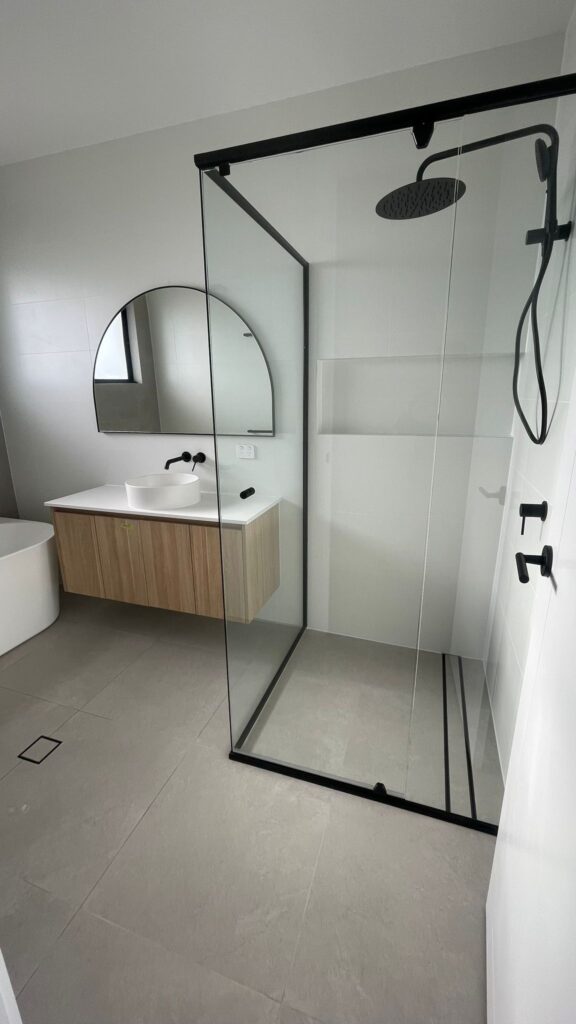
If you’ve noticed peeling edges, mould spots, or gaps along your shower joints, it may be time to refresh the silicone. Knowing how to re silicone shower areas properly is essential for maintaining a watertight bathroom, preventing hidden water damage, and keeping your shower looking new. Re-siliconing isn’t complicated, but it does require patience, the right materials, and attention to detail. Below is a step-by-step process that mirrors professional technique while remaining accessible for DIY users.
Why Re-Siliconing Matters
Silicone plays a critical role in waterproofing your shower. It protects the joints where tiles meet the shower base, screens, corners, and around fixtures. Over time, silicone can break down due to moisture, cleaning chemicals, or simple ageing. When this happens, gaps appear, mould develops, and water can seep into the substrate.
Learning how to re silicone shower joints is one of the most effective ways to extend the life of your bathroom and avoid costly repairs later. Fresh silicone also enhances appearance, creating clean, smooth lines that frame your tiles beautifully.
Step 1: Remove All Old Silicone
Effective re-siliconing begins with removing every trace of existing silicone. Any remnants left behind can prevent the new silicone from bonding properly.
What you need:
• Silicone removal tool or utility knife
• Silicone softener (optional)
• Patience—this step is crucial
Run the removal tool along the joint to lift the old bead. Work slowly to avoid scratching tiles. If the silicone is stubborn, a silicone dissolver helps soften it so it peels away more easily.
This part of how to re silicone shower surfaces is absolutely mandatory; new sealant will fail quickly if applied over old residue.
Step 2: Clean and Disinfect the Joint
With the old silicone removed, clean the entire area thoroughly. Residual soap scum or mould can prevent adhesion.
Recommended cleaning steps:
• Spray a mould remover or vinegar solution
• Scrub lightly with a non-abrasive sponge
• Rinse and dry the area completely
Moisture is the enemy when applying silicone. If the shower is heavily tiled or in a humid room, run a fan or open a window to speed up the drying process.
Step 3: Tape the Edges for Perfect Lines
If you want the finish to look like a professional re-siliconing job, masking tape is your best friend. Place tape on both sides of the joint, leaving a narrow channel for the silicone bead.
This helps:
• Keep lines clean and straight
• Control bead width
• Prevent smudging on tiles or glass
It’s a simple technique that dramatically improves results when learning how to re silicone shower areas precisely.
Step 4: Apply New Bathroom-Grade Silicone
Choose a high-quality, mould-resistant silicone specifically designed for wet areas. Insert the cartridge into a caulking gun and cut the nozzle at a 45-degree angle for controlled flow.
Application tips:
• Move in one continuous motion
• Maintain constant pressure for even thickness
• Avoid stopping mid-line (creates uneven beads)
Once applied, lightly spray the bead with soapy water. This prevents sticking during smoothing.
Step 5: Smooth the Silicone Bead
Use a silicone finishing tool or your finger (dipped in soapy water) to smooth the bead. This step ensures strong adhesion and a clean, concave profile.
Work deliberately:
• Press lightly
• Follow the full length of the joint
• Don’t overwork the silicone
Once smooth, remove the tape while the silicone is still wet. This guarantees crisp edges.
Step 6: Allow Proper Curing Time
Most silicone sealants require 24 hours to cure fully. Avoid using the shower during this time. Rushing the curing process is one of the most common mistakes people make when learning how to re silicone shower joints.
Maintenance Tips After Re-Siliconing
To extend the life of your new seal:
• Keep joints dry after showers when possible
• Clean with mild, non-abrasive products
• Check for early signs of mould
• Avoid harsh chemicals that break down silicone
Regular checks help prevent the need for frequent re-siliconing.
Final Thoughts
Understanding how to re silicone shower joints properly is one of the most effective ways to maintain a functional and attractive bathroom. With the right tools, careful preparation, and a methodical approach, you can achieve a fresh, watertight finish that looks professionally done. Whether you’re managing household maintenance or preparing for a full bathroom refresh, re-siliconing remains a high-impact yet simple task that delivers long-lasting results.