
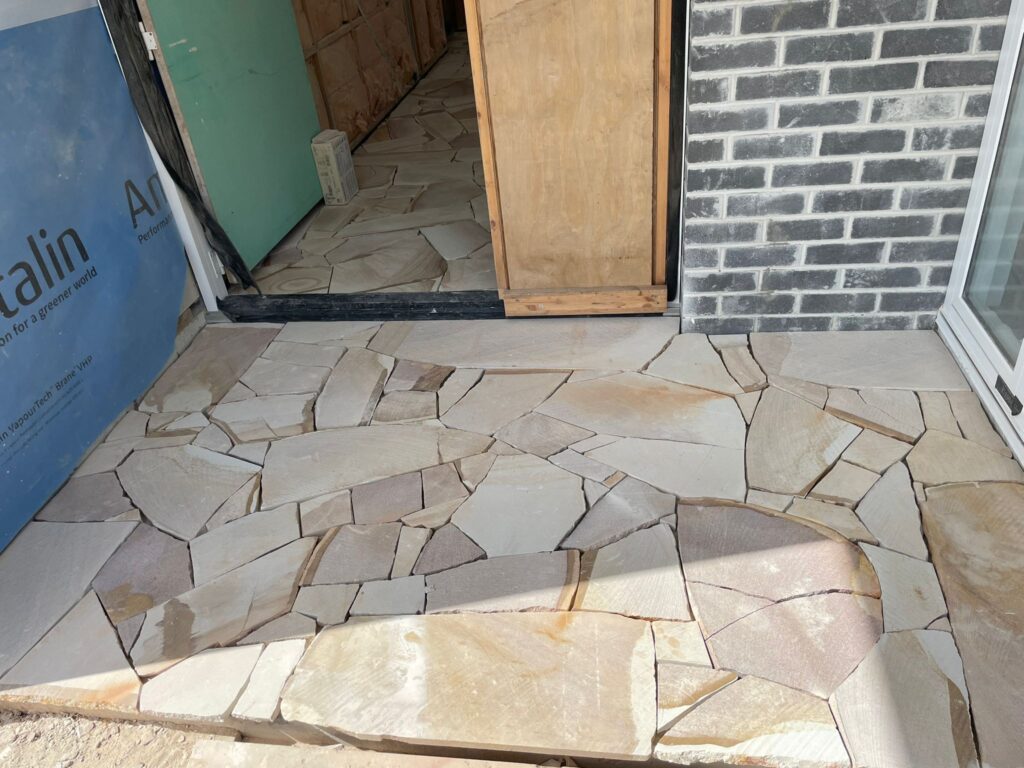
Tiles can last decades — but over time, grout wears down, cracks, or becomes discolored, which compromises both appearance and durability. If you’re wondering how to re grout floor tiles, this guide from First Quality Tiling will walk you through the process step by step, highlight key tips, and explain when it’s best to hire professionals.
Why Re-Grouting Matters
- Cracked, missing, or stained grout allows moisture to seep under tiles, which can lead to mold, loosened tiles, or subfloor damage.
- Re grouting tiles restores the look, protects your investment, and extends the life of your floor.
- Compared to full tile replacement, re-grouting (or re grouting floor tiles) is cost-effective and less invasive.
Step-by-Step: How to Re-Grout Floor Tiles
Below is the process for re-grouting (or re grouting) your floor tiles. If you’re doing a bathroom, kitchen, hallway, or any tiled surface, these steps apply broadly.
1. Prepare the Area
- Clear furniture and obstacles from the space.
- Protect surrounding surfaces with drop cloths and painter’s tape.
- Wear safety gear: gloves, eye protection, dust mask (removing old grout is dusty).
- Ventilate the area if possible.
2. Remove the Old Grout
- Use a grout saw, utility knife, or—ideally—an oscillating multi-tool with a grout-removal blade to cut and scrape out the existing grout.
- Remove at least two-thirds of the grout depth, but be careful not to chip or damage the edges of the tiles.
- Work slowly and methodically; pulling too hard or too fast increases risk of tile damage.
3. Clean Out the Joints
- Vacuum all debris from the grout lines thoroughly.
- Use a small brush or damp cloth to remove fine dust residue.
- If there’s mold or discoloration, apply a mild bleach or mildew remover, then rinse and let dry fully.
4. Choose & Mix New Grout
- Decide on a grout type (sanded vs. unsanded) depending on joint width (typically sanded for joints wider than 1/8 inch).
- Match the color to existing grout (if regrouting a portion) or choose a new color for a consistent refresh.
- Follow the manufacturer’s instructions: mix to a “peanut butter” consistency, let it slake (rest) 5–10 minutes, then remix.
5. Apply the Grout
- Using a rubber grout float, press the grout into the joints at about a 45–60° angle.
- Work in manageable sections (e.g. 2×2 ft or 3×3 ft) so the grout doesn’t start to set prematurely.
- Go over each area multiple times to ensure full filling and remove excess grout from the surface.
6. Clean Off Excess Grout
- After about 10–15 minutes (or when grout is firm but still workable), use a damp sponge to gently wipe across tiles in a diagonal motion to remove excess.
- Rinse sponge often, wringing it well, and change wash water when dirty.
- After ~1 hour (or per manufacturer’s guidelines), buff any remaining haze using a dry microfiber cloth.
7. Seal the New Grout
- Wait until grout is fully cured (typically 24–48+ hours depending on product) before sealing.
- Apply a penetrating grout sealer per instructions. This helps protect the grout against stains, moisture, and dirt infiltration.
- Reapply sealer periodically (as recommended by the manufacturer) for long-term performance.
Common Mistakes & How to Avoid Them (Closing the Content Gaps)
- Using too much water when mixing grout → leads to weak grout and cracking. Better Homes & Gardens
- Rushing removal of the old grout and leaving residue → weak adhesion of new grout.
- Not sealing grout after installation → stains, moisture, and mold infiltration.
- Ignoring tile edge protection → chips or damage when scraping out old grout.
- Uneven application or failure to press grout fully into joints → hollow spots that crack over time.
Should You DIY or Hire Professionals?
For small areas (e.g. one bathroom or small hallway), an experienced DIYer can re grout tiles confidently. But for larger areas, complex layouts, or when you want guaranteed quality, hiring professionals makes sense. At First Quality Tiling, our specialised services include:
- Tile installation & replacement
- Grout repair & re-grouting (we re grout tiles or full floors)
- Tile sealing & waterproofing
- Tile cleaning & restoration
Feel free to check our [Grout Repair Service Page] or [Tile Restoration Service Page] for more detail.
Ready to Transform Your Floor?
If you’re planning to re grout floor tiles but want to be confident of a flawless finish (or your floor area is large or high traffic), let First Quality Tiling handle it for you. With our expertise, precision tools, and premium materials, we’ll restore your floors to pristine condition—without the mess or risk.
Contact us today for a free consultation and quote. Let’s get your floor lines fresh again!